Garage Door Repairs Beecroft NSW
Is your garage door stuck, screeching, or hanging crookedly? Get same-day emergency garage door repairs in Beecroft NSW from licensed local technicians. We dispatch within 20 minutes with fully stocked service vehicles.
Request Urgent Booking
Upfront fixed prices, zero hidden fees
The Central Role of Your Garage Door in Home Safety and Accessibility
A garage door repairs Beecroft service is not merely about mechanical maintenance; it is a critical component of your home's perimeter security, insulation, and overall structure. The modern garage door is the single largest moving part in your residence. It functions under immense mechanical tension, balancing heavy panels made of steel, timber, or aluminum. A single mechanical failure—whether a cracked hinge, frayed cable, or broken spring—disrupts this balance, turning a daily convenience into a severe home security liability or physical safety hazard.
In Beecroft NSW, known for its beautiful leafy streets and premium residential properties near the Hills District and Northern Sydney regions, a garage door serves as a prominent visual feature and main entry point. Leaving a broken garage door unresolved invites weather damage, local pests, and home entry risks. Our professional service specializes in returning your residential or commercial garage doors to absolute mechanical synchronization, using premium components engineered to withstand thousands of cycles.
Our Core Garage Door Services in Beecroft
We provide a comprehensive range of mechanical repairs, automated opener upgrades, and safety servicing.
 24/7 Service
Emergency Repairs
Stuck doors, failed openers, and structural damage. We stabilize and repair your door in under an hour to keep your home safe and vehicles accessible.
 5-Yr Warranty
Spring Repairs
Safety replacements for snapped torsion and extension springs. We install high-cycle oil-tempered springs to guarantee longevity and smooth manual lifting.
 Smart Openers
Motor & Opener Repairs
Fixing stripped drive gears, blown capacitors, failed motherboards, and signal issues. Authorized installers of Merlin, B&D, and ATA openers.
Trusted Brands We Service & Support
We work with Australia's leading manufacturers to provide genuine parts, reliable motors, and premium doors.






Specialized Component Repairs & Diagnostics
We provide expert engineering adjustments and electrical troubleshooting for every part of your garage door system in Beecroft.
Mechanical Components
Electronics & Access
Troubleshooting Handbooks
The Architecture of a Garage Door: Component Relationships & Failure Modes
A garage door functions through the interaction of key structural elements. When troubleshooting garage door issues, it is essential to understand these components and how they connect to prevent secondary damage:
1. Torsion Springs and Winding Shafts
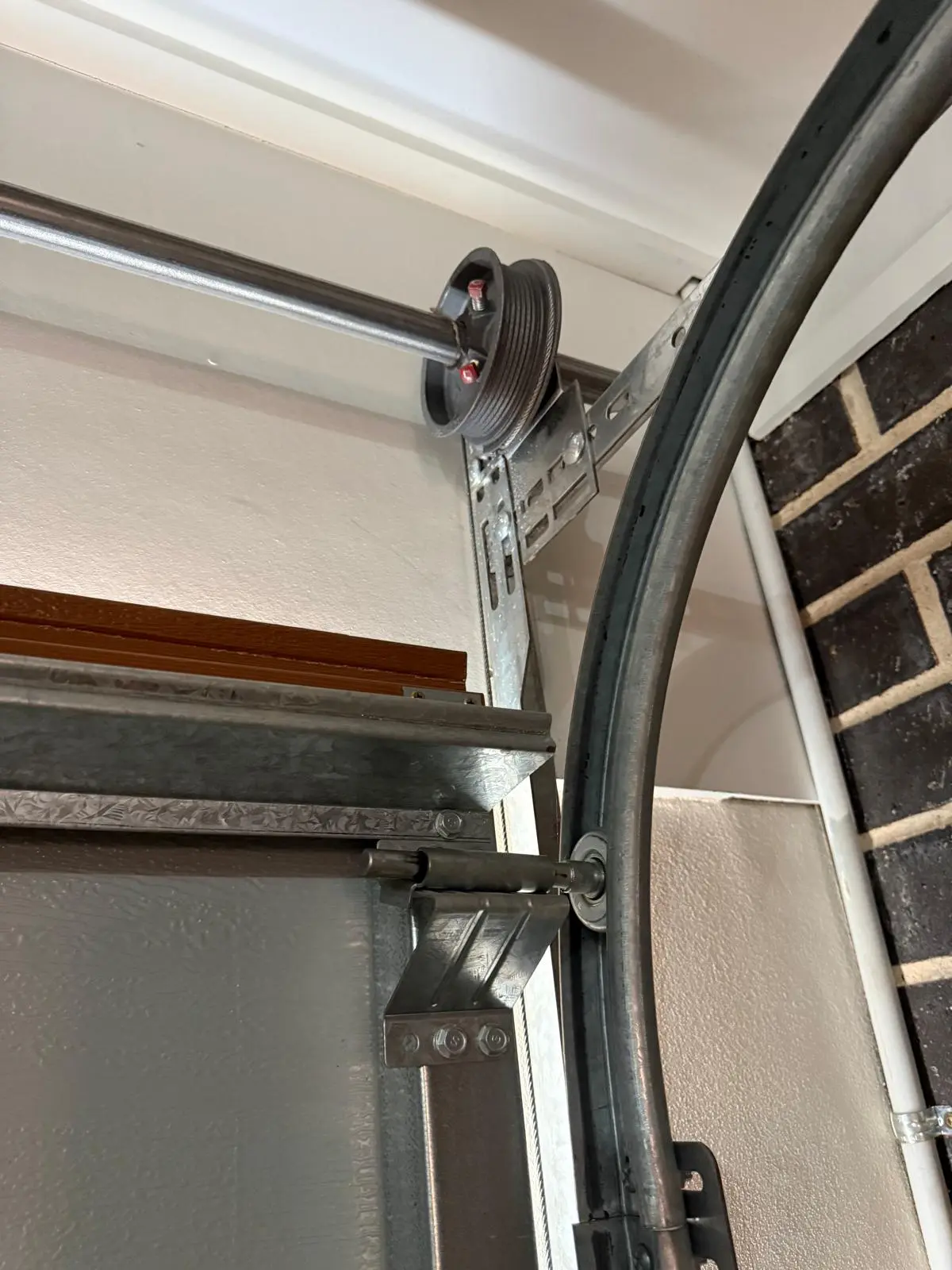
The torsion spring is the heart of the balancing assembly. Mounted on a steel shaft directly above the lintel, torsion springs store mechanical torque to counterbalance the physical mass of the door. As the door closes, the springs wind, gathering energy; as it opens, they unwind, transferring torque. Extension springs, mounted along the horizontal guide tracks on the ceiling, generate tension by stretching.
2. High-Tensile Lifting Cables & Drums
Lifting cables are woven from multi-strand, aircraft-grade galvanized steel wires. They wrap around aluminum winding drums secured to the ends of the torsion shaft, linking to bottom brackets at the base of the lowest door panel. As the springs rotate the shaft, the cables wind onto the drums, lifting the door panels.
3. Steel Tracks, Rollers, and Hinges
The tracking system guides the door's path. Vertical tracks guide the door along the frame, while horizontal tracks support it overhead when open. Heavy-duty steel brackets anchor these tracks to the garage walls and ceiling. Rollers (consisting of a wheel tire and steel stem) slide inside the track channels, mounted to panel hinges.
4. Automated Openers & Drive Systems
The automatic opener controls the door's movement, using chain-drive, belt-drive, or screw-drive assemblies. Inside the opener housing, a 24V or 240V electric motor is managed by a logic circuit motherboard that monitors travel limits, force settings, and wireless receiver frequencies. Chain-drive systems are robust but noisy, whereas modern belt-drive systems use steel-reinforced polyurethane belts to operate quietly.
5. Safety Sensors & Infrared Photo-Eyes
To comply with Australian Standard AS/NZS 60335.2.95, automatic garage door systems must feature safety reverse sensors. Emitters and receivers are mounted 100mm above the floor, sending a continuous infrared beam across the path. If an object, child, pet, or vehicle blocks this beam, the opener halts downward travel instantly and reverses.
Why Choose Beecroft Garage Specialists
We combine qualified trade workmanship, high-grade materials, and honest local customer service.
Licensed Trade Pros
Every technician is fully qualified, insured, and licensed. ensuring all structural spring adjustments comply with building codes.
Same-Day Service
We maintain fully stocked service vehicles in Beecroft NSW, carrying springs, cables, hinges, sensors, and remote replacements. Most repairs are resolved in one visit.
Upfront Pricing
We diagnose your issue and present a written, fixed-price quote before commencing work. We charge flat local rates with zero hidden call-out fees or emergency premiums.
Common Garage Door Failures: Causes, Symptoms, and Action Guides
If your garage door is experiencing problems, use this quick diagnostic reference to identify the cause and understand the required action:
Symptom: The Opener Motor Hums but the Door Won't Open
Primary Cause: A snapped torsion spring is the most common reason. Because the spring splits, the counterweight is lost, and the opener motor cannot lift the dead weight (often 100kg+). Another cause is an engaged manual slide lock inside the panel.
Action: Check the spring coil overhead. If you see a physical gap in the coils, do not attempt to lift the door manually. This can snap the lift cables and drop the door. Contact a technician to replace the spring set safely.
Symptom: The Door Starts Closing then Immediately Reverses and Flashes
Primary Cause: Misaligned or dirty infrared safety sensors. The opener registers a blocked signal as an obstacle, reversing the door to prevent entrapment. Other causes include bent tracks or a sagging track bracket that creates friction mid-travel.
Action: Check the LEDs on your safety eyes at the base of the tracks. Emitters must show solid light. Clean the lenses with a dry cloth, tighten loose bracket bolts, and align them until the LEDs glow solid. If the problem persists, a professional down-force calibration is required.
Symptom: The Door is Hanging Crookedly and Jammed in the Tracks
Primary Cause: A cable has snapped or slipped off its aluminum winding drum on one side, releasing spring tension on that side. Operating the door in this state will bend the track rails and can drop the panel.
Action: Stop operating the door immediately. Clamping the door to the track rail to prevent it from sliding down is recommended. Call for emergency re-tracking and cable replacement.
Garage Door Repairs Beecroft: Cost Factors & Mechanical Decisions
Key decisions regarding repair costs, safety inspections, premium parts, and system longevity in Beecroft NSW.
1. Repair Cost Factors
Garage door repair costs in Beecroft typically range from $120 to $490, depending directly on the component weight, material longevity, and the technical complexity of the mechanical task.
- Component Material: Premium oil-tempered springs or sealed nylon rollers cost more initially but last 3x to 5x longer.
- Door Dimensions: Double-car sectional doors require double spring configurations and high-diameter aircraft cables.
- Labor Complexity: Safe repairs of high-tension springs require specialized winding bars and trade tools.
2. Repair vs. Replacement
We recommend targeted mechanical repairs for systems under 10 years old with isolated failures, whereas a full garage door replacement is the most cost-effective and secure choice for aging systems showing structural compromise.
- When to Repair: If under 10 years old with isolated faults (e.g. snapped spring, worn rollers, broken remote).
- When to Replace: If there is structural damage (e.g., buckled panels), severe track rust, or motor age >15 years.
- Benefits: A new Colorbond installation improves home security, insulation, and curb appeal.
3. Safety Inspections
A garage door operating under high tension is a critical safety system. Our assessments examine balance, structural fatigue, and limit safety triggers.
- Force Limit Calibration: We verify the safety reverse mechanism stops and reverses the door when meeting resistance.
- Spring Balance Check: We test that the door stays in place at mid-travel when released manually.
- Hardware Integrity: We check winding drums, cable anchors, and track brackets for hairline cracks.
4. Premium Brands We Use
We stock genuine replacement parts and automated openers from major Australian manufacturers to guarantee maximum cycle life and warranty compliance.
- Merlin: Famous for silent belt-drive motors, high security, and smart Wi-Fi MYQ app connectivity.
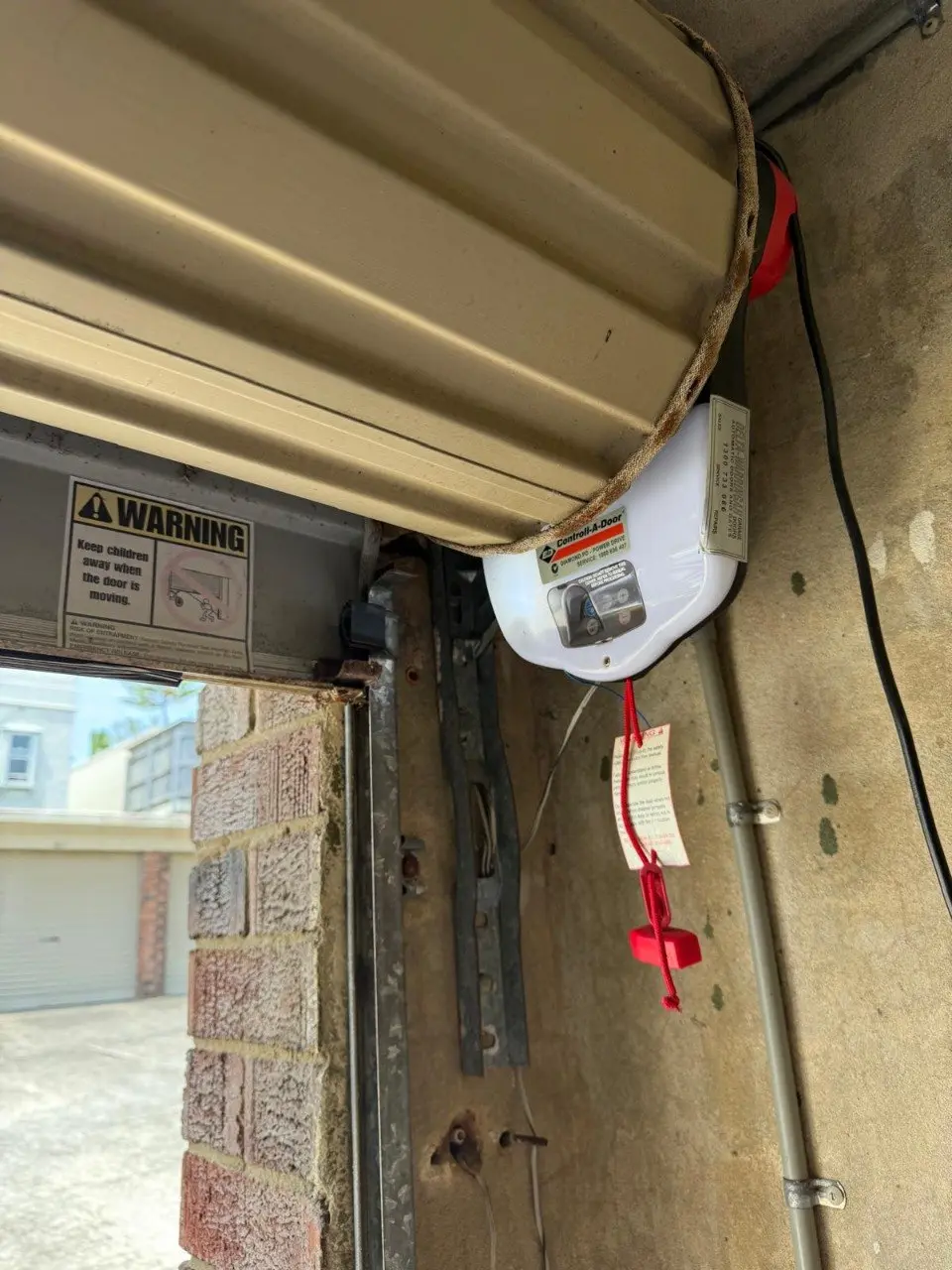
- B&D: Iconic manufacturers of roll-up doors, sectional panels, and Controll-A-Door openers.
- ATA: Specialists in advanced electronic logic boards and Tri-Tran+ secure remote frequencies.
- Steel-Line & Gliderol: Trusted providers of wind-rated Colorbond steel doors.
5. Roller vs. Sectional
Mechanical differences between the two primary door styles help target troubleshooting, since roller doors roll around a drum while sectional doors use flat track guidelines.
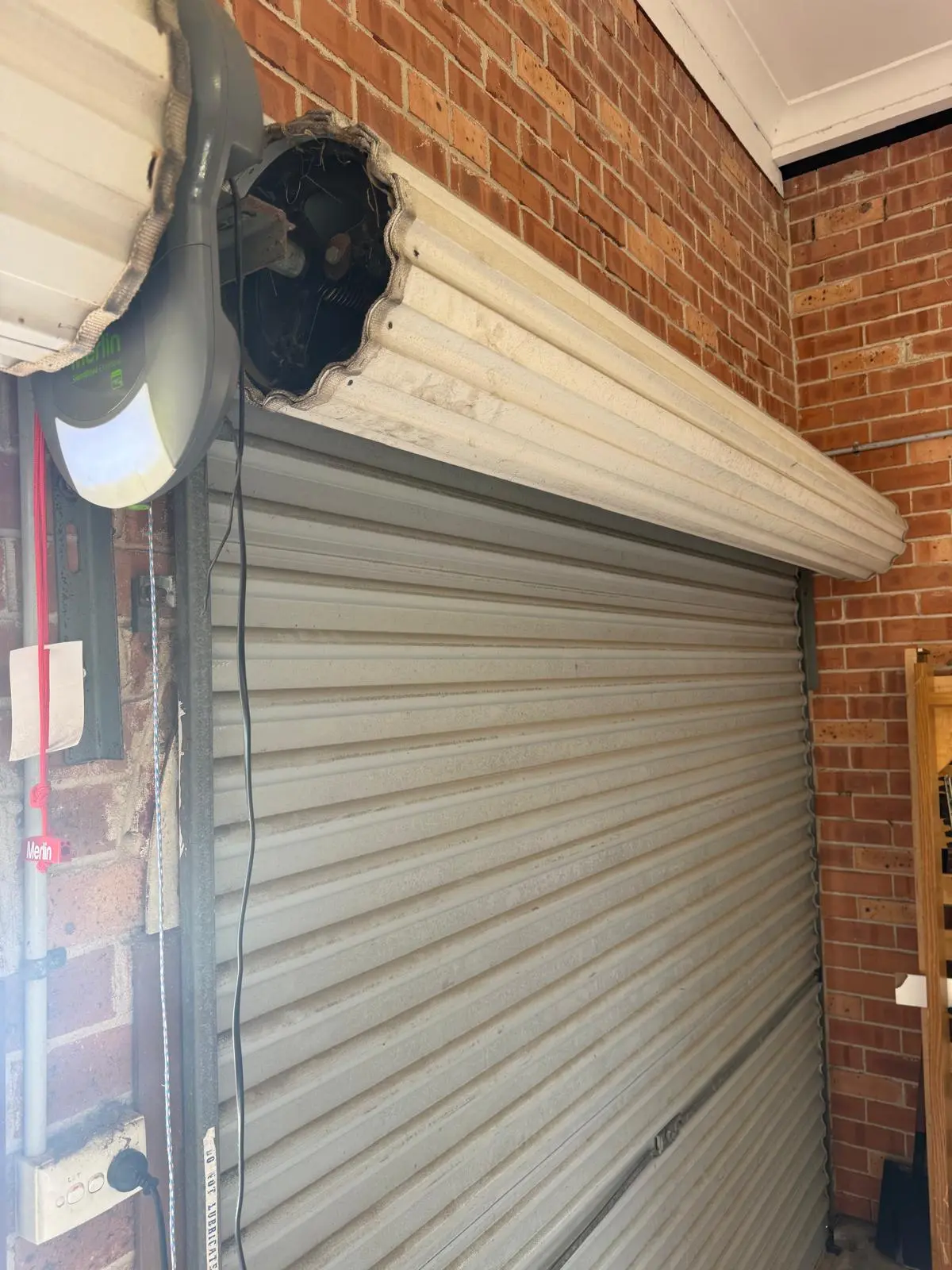
- Roller Doors: Roll into a tight coil above the opening. Common issues: binding tracks, motor drift, jammed locks.
- Sectional Doors: Multiple horizontal panels slide up tracks to sit flat on the ceiling. Common issues: snapped overhead springs.
6. Preventative vs. Service
Preventative care is the best way to maintain warrantied security and avoid failures, avoiding critical structural damage and motor strain.
- Scheduled Service: An annual service adjusts spring tension, lubricates joints, and calibrates limits.
- Emergency Repairs: Same-day priority 24/7 dispatch when a sudden failure traps your car inside.
Our 5-Step Professional Repair & Safety Diagnostics Process
Every service callout is managed according to strict safety regulations (AS/NZS 60335.2.95) to protect your home and warranty:
-
Step 1: Visual Inspection & Balance Verification
Our technician arrives and visually checks all hardware: wire cables for fraying, track brackets for structural play, and rollers for seized bearings. We then disengage the automatic opener and lift the door manually to check balance, verifying that the springs hold the door's weight correctly at mid-travel.
-
Step 2: System Diagnostics & Force Testing
We test the electric opener under load, measuring electrical current draw to check for motor wear. We also inspect the photo-eye sensors, safety reversal system, and the receiver's pairing frequency.
-
Step 3: Fixed Upfront Quotation
Before any parts are replaced, we present a clear, itemized quote detailing the required work. You will never see surprise call-out costs or travel fees.
-
Step 4: Precision Mechanical Repair
We perform the repairs using high-cycle, oil-tempered steel components. When replacing springs, we always replace both springs to ensure balanced winding tension on the shaft.
-
Step 5: Limit Calibration & Reversal Test
After reinstalling components, we recalibrate the opener's travel limits and electronic force tolerances. We perform a standard obstacle safety test to ensure the door reverses instantly on contact.
Our Sydney Service Coverage
Our fully stocked service vans operate daily throughout Beecroft and all surrounding northern Sydney suburbs, providing same-day repairs.
Recent 5-Star Reviews from Beecroft Neighbours
Read genuine reviews from local residential and commercial property owners.
“Our torsion spring snapped early in the morning, trapping both our cars inside the garage. The technician arrived in just 20 minutes and replaced both springs. Outstanding service!”
“We upgraded our extremely noisy old motor to a new Merlin belt-drive Commander. The unit is incredibly quiet, and the technician set up the smart app connectivity on my phone. Very happy!”
“The door tracks had bent after a minor collision, popping three rollers out. The technician aligned the tracks and upgraded the rollers to quiet nylon ones. Highly professional and honest pricing.”
Frequently Asked Questions
Can I repair a broken garage door spring myself?
No. Torsion springs operate under extreme mechanical tension. Winding or unwinding them without professional winding bars and training can lead to severe injuries, including fractures or deep lacerations. Only licensed technicians should replace springs.
Why does my garage door look crooked or hang unevenly?
A crooked door is almost always caused by a cable snapping or jumping off its winding drum on one side. This releases spring tension on that side, while the other side remains under tension. Operating the door in this state will damage the tracks.
How much does it cost to replace snapped springs in Sydney?
Standard residential spring replacements range from $220 to $490, depending on the door style (sectional panel vs roller) and the weight of the steel coils. We recommend replacing springs in pairs to ensure equal tension and cycle life.
Why is my garage door motor clicking or humming but not moving?
This is usually caused by stripped internal drive gears (often nylon sprockets) or a blown start capacitor. If the gears are stripped, the motor spins but the chain or belt carriage remains still. This can be resolved on-site with a replacement gear kit.
How often should my garage door be serviced?
Manufacturers recommend professional servicing once every 12 months. Regular lubrication and balance adjustments reduce load on the motor, maintaining your trade warranty and preventing unexpected mechanical breakdowns.
Why does my garage door open a few inches and then reverse?
This occurs when the opener registers high mechanical resistance, triggering its safety reversal mechanism. This is often caused by a snapped spring, a bent track rail, or incorrect travel limit force settings. Clear any obstructions and check the springs.